

Addiction counseling in NYC with a CASAC-2 counselor who leaves shame at the door
Addiction counseling in NYC with Rubina is for anyone touched by substance use: the person questioning their own drinking or drug use, the person already in recovery, and the spouse, parent or child who has been holding the family together around it.
Rubina is a CASAC Level 2 counselor, a New York credential that requires specific clinical training in addiction, as well as a Licensed Clinical Social Worker. That combination means she can work with the substance use and with everything around it: the anxiety, the grief, the marriage, the family secrets. Her approach is compassionate, practical and free of judgement. You do not have to hit rock bottom or call yourself an addict to begin.
- LCSW
- CASAC-2
- Author of Stop Being Okay
- Urdu · Hindi · Punjabi
- In person in NYC
- Online across New York
Who comes to addiction counseling
Composite stories, not real clients:
Not sure it's a problem
He drinks every night to come down from work. He has never missed a day, and his friends drink more. But his wife has started counting bottles, and he has noticed he gets irritable when he cannot have one. He wants to talk to someone who will not immediately tell him he has to quit forever.
The wife who covers for him
She calls his office when he cannot get up, tells the family he is unwell, and keeps the children quiet. Nobody in her community talks about this. She came to therapy not for him, but because she realised she had stopped knowing what she herself feels.
Two years sober
She has been in recovery for two years and goes to meetings regularly. The craving is quieter now, but the feelings she used to numb are loud, especially around her family. She wants help with what is underneath.
Breaking the silence in South Asian families
In many South Asian and Muslim households, addiction is one of the most hidden subjects there is. Alcohol may be forbidden, drug use unthinkable, and so when it happens the family closes ranks. Wives cover. Children learn not to ask. Parents worry about izzat, family honour, and what it would do to a sister's marriage prospects if anyone found out. Meanwhile, everyone suffers alone.
Rubina understands this from the inside and will never shame you or your family. She also speaks English, Urdu, Hindi and Punjabi, which matters when the conversation involves parents or elders. Whether you are of South Asian background or not, the principle is the same: secrecy keeps addiction powerful, and a safe, confidential room is where change can start.
How Rubina approaches recovery
There is no single path out of addiction, so Rubina does not force one. For some clients the goal is complete abstinence; for others it is reducing harm and regaining control while they decide what they want. Harm reduction means meeting you where you are, rather than requiring a promise before you are ready to make one.
For clients who find strength in mutual-help groups, Rubina offers 12-step facilitation, helping you get the most out of meetings and a sponsor relationship. Cognitive behavioral therapy (CBT) helps identify triggers and build alternatives. Dialectical behavior therapy (DBT) skills help with intense emotions and urges. Underneath, the work often turns to the pain the substance was managing, which can include trauma, anxiety or depression.
Rubina provides outpatient counseling, not detox or medical treatment. If you are physically dependent on alcohol, benzodiazepines or opioids, stopping suddenly can be dangerous, so please speak with a doctor before cutting down. Rubina can help you think through higher levels of care if they are needed.
Support for spouses and families
Loving someone with an addiction is exhausting. You may swing between anger and guilt, try everything to control the drinking or using, and still feel helpless. You may have stopped seeing friends or stopped noticing your own needs altogether.
Rubina works with spouses and family members individually, whether or not the person using is ready for help. You can learn to stop carrying responsibilities that are not yours, set boundaries that protect you and your children, and respond in ways that make change more likely rather than less. When everyone is ready, family therapy or couples therapy can help rebuild trust.
What can change over 8 to 12 sessions
Recovery is personal and setbacks are part of it, so there are no promises. But clients often describe:
- An honest picture of their substance use, without shame clouding it
- A clear, personal goal, whether that is cutting back, stopping or staying sober
- Practical plans for cravings, high-risk situations and family events
- For family members, less time spent managing someone else's behaviour
- The first real conversations about something the household never named
Support groups and meetings alongside therapy
Therapy works well alongside peer support, and Rubina often helps clients find the meetings that suit them. Some people connect with 12-step fellowships such as Alcoholics Anonymous or Narcotics Anonymous. Others prefer SMART Recovery, which uses a stages-of-change, skills-based approach and runs both in-person and online meetings. For people who can't get to a room, online sober support meetings make it possible to find a group any night of the week.
Families need support too. Al-Anon and Nar-Anon are long-standing groups for people who love someone with an addiction, and addiction family support is a large part of Rubina's work in individual and family therapy. Rubina does not run addiction support groups herself; she is your therapist, and part of that role is helping you build the wider support around you.
What sessions look like
Sessions are 50 minutes for individuals and an hour for couples and families, in person in New York City or online across New York State. Online sessions can make it easier to attend consistently and privately.
Everything you share is confidential, and substance use treatment records carry additional legal protections. The practice is private pay and does not bill insurance; see the fees page for current rates.
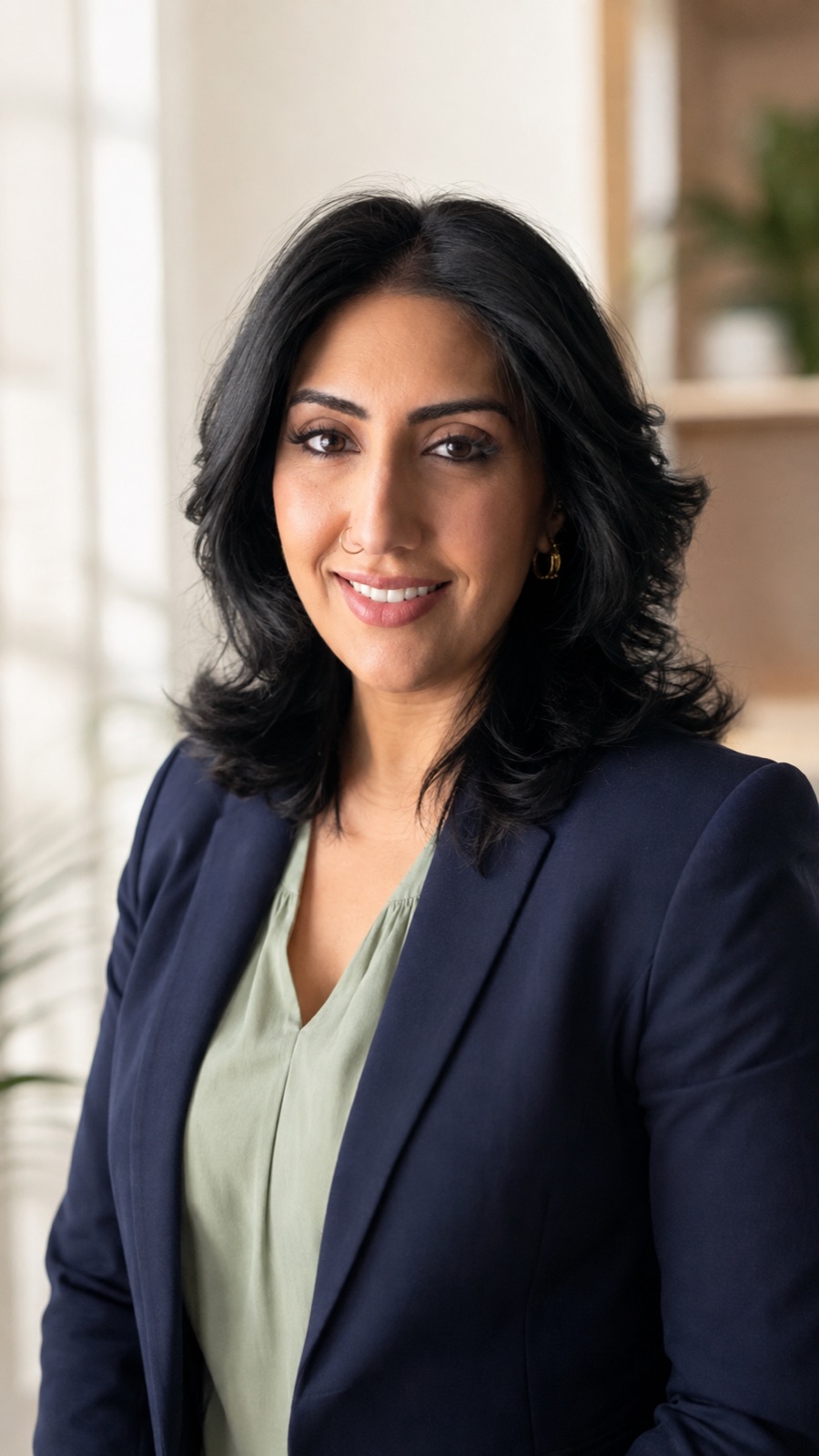
Rubina K. Singh, LCSW, CASAC-2
Rubina has spent more than fifteen years in mental health. She holds a BSW from Rutgers, an MSW from Capella and is completing her doctorate in social work. She is a Licensed Clinical Social Worker in New York, a CASAC Level 2 addiction counselor, and the author of Stop Being Okay. She grew up between cultures, and she speaks English, Urdu, Hindi and Punjabi.
Questions people ask
What does CASAC-2 mean?
CASAC stands for Credentialed Alcoholism and Substance Abuse Counselor, a New York State credential that requires specialised training and supervised clinical experience in addiction. Level 2 reflects additional education and experience. Rubina holds it alongside her LCSW license.
Do I have to commit to quitting completely before I start?
No. Rubina uses a harm reduction approach, which means you can begin wherever you are. Some clients choose abstinence, others work toward safer use first. You set the goal together.
Can I come if my husband or family member won't get help?
Yes. Many people start counseling for themselves while their loved one is still using. You deserve support regardless of whether they are ready.
Do you offer detox or medication?
No. Rubina provides outpatient counseling only. If you are physically dependent on a substance, please speak to a doctor before stopping, because withdrawal from some substances can be medically serious.
Will anyone in my community find out?
Not from us. Sessions are confidential, and addiction treatment information has extra legal protection. Many clients choose online sessions so that nobody sees them arriving at an office.
Do you work with people who use 12-step programs?
Yes. Rubina offers 12-step facilitation and is comfortable supporting clients in AA, NA or similar groups, as well as those who prefer a different path.
Last reviewed October 13, 2026 by Rubina K. Singh, LCSW
Reaching out is the whole first step.
You don't need the right words. Leave your name and number, or book a session directly — Rubina's team replies personally, usually within 24 to 48 hours.
Book a session →In a crisis? Call or text 988, or call 911. This site is not an emergency service.