

When the system meant to protect kids becomes part of the harm
In early 2026, a high-profile civil rights lawsuit filed in Manhattan federal court thrust New York's juvenile justice system into the national spotlight. It alleges that youth in state custody are being held in prolonged solitary confinement under conditions that are inhumane, unlawful, and deeply damaging to their mental health and development.
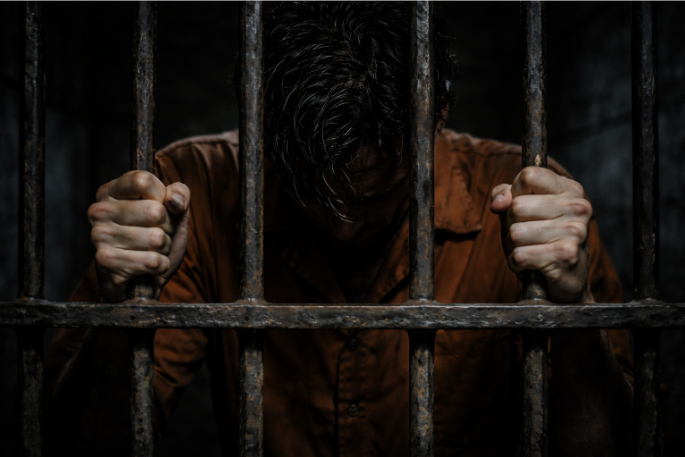
The complaint centers on the New York State Office of Children and Family Services (OCFS), which runs secure placement facilities for youth — typically those adjudicated in family or criminal court. According to the lawsuit, children as young as 12 are routinely placed in tiny, barren cells for up to 24 hours a day — sometimes for weeks or months on end. The lawsuit says these cells lack basic hygiene, often without proper toilet access, forcing youth to relieve themselves in buckets or bottles. Youth are reportedly denied required education, social interaction, recreation, or meaningful programming during isolation.
Attorneys involved call these practices unlawful and inhumane. They argue that solitary confinement is being used as a punishment or as an improper response to staffing shortages — not as a legitimate therapeutic tool.
That isn't a fringe claim. Multiple news outlets have reported on these allegations this week, under headlines emphasizing "barbaric" conditions and the lack of basic human necessities for incarcerated youth.
This lawsuit is trending not just because of its severity, but because it feeds directly into larger conversations New Yorkers and policymakers are having about juvenile justice reform:
There are three main impacts driving the conversation:
Medical and legal experts agree that isolation can cause profound psychological damage — especially in adolescents whose brains are still developing. Extended solitary confinement is linked to anxiety, depression, trauma, identity loss, and increased risk of self-harm and suicidal thoughts. This isn't theory — it's supported by experts and echoed in statements from attorneys familiar with the case.
According to the lawsuit, a disproportionate number of affected youth are Black or Latinx — reflecting long-standing racial disparities in the justice system. Critics argue this is yet another example of how punitive practices unfairly affect marginalized communities.
These allegations are forcing police, families, and child welfare advocates to ask hard questions: What should juvenile detention look like? Is prolonged isolation ever justified? Who monitors these powerful institutions? The fact that conditions can remain hidden until a lawsuit exposes them shows how fragile public trust is in these systems.
These aren't fringe ideas — they reflect a shift toward evidence-based treatment over punishment, acknowledged by child development experts around the country.
This lawsuit is not just another legal case. It's the latest flashpoint in a New York debate about how the state treats its most vulnerable children — a debate that intersects with mental health policy, racial justice, and the purpose of the juvenile justice system itself.
New Yorkers need to take it seriously. The outcome — whether it curbs these practices or simply leads to another round of headlines — could ultimately shape what youth justice looks like across the state.
Whether you're looking to strengthen an already healthy relationship or address specific challenges, couples therapy can provide valuable tools for growth and connection. Contact us to learn more about our couples counseling and relationship therapy services.
If this article resonated with you, share it with others who might benefit from these insights.